Australians have long been considered among the world’s best sleepers. Active lifestyles, strong outdoor culture, and consistent sleep routines have helped position the country as a global benchmark for rest and recovery. But new data suggests a more complex reality—one that challenges how we define “good sleep.”
Released ahead of World Sleep Day, new insights from Withings reveal that nearly one in three Australians are showing signs of mild sleep apnea, despite high overall sleep scores. It’s a finding that exposes a growing disconnect between how we perceive sleep and what is actually happening during the night.
The Healthy Sleeper Paradox
According to Withings’ 2025 Sleep & Activity Report, Australians ranked strongly among global sleep performers, achieving an average sleep score of 71. Combined with an active lifestyle—averaging over 5,500 steps per day—Australia appears, on paper, to be thriving.
Yet beneath the surface lies a different story.
In 2025 alone, more than 261,000 nights of mild sleep apnea indicators were recorded among Australian users. This placed Australia as the second-highest country for detected cases among 11 nations studied.
The data reveals a critical insight: sleep duration and sleep quality do not necessarily reflect respiratory health during sleep.
What Is Sleep Apnea—and Why It Matters
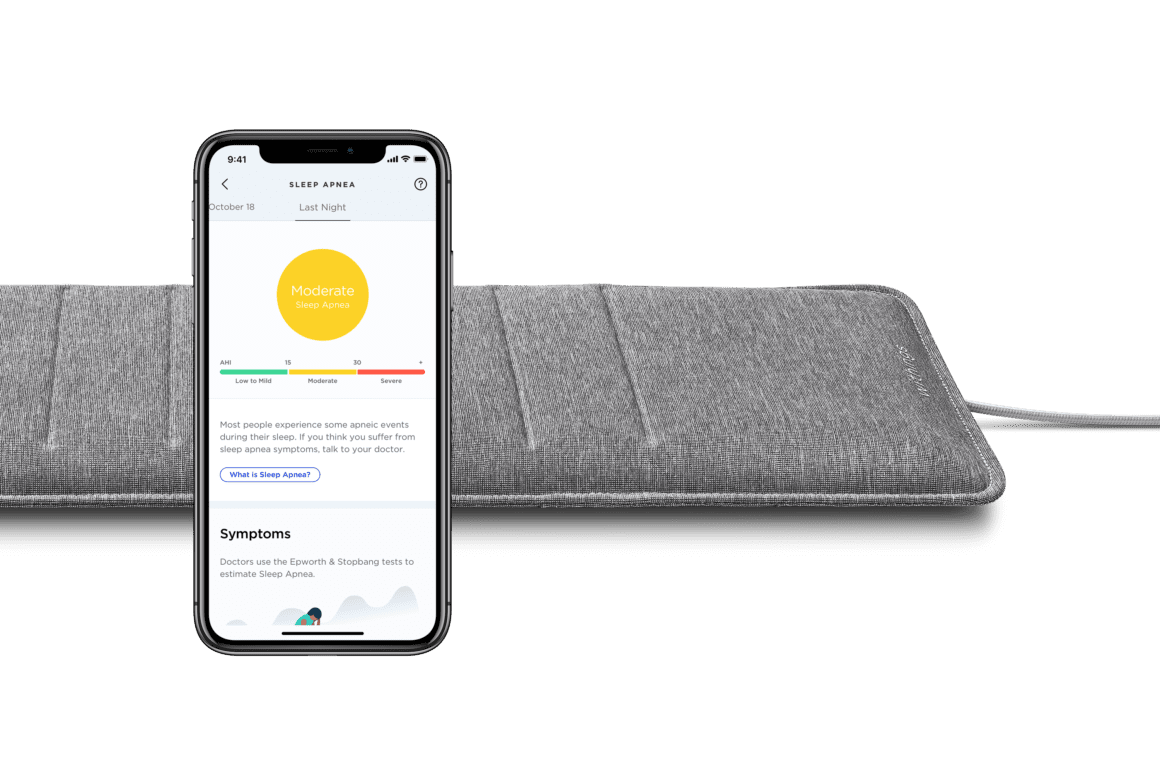
Sleep apnea is a condition characterised by repeated interruptions in breathing during sleep. These interruptions can lead to micro-awakenings, drops in oxygen levels, and increased strain on the cardiovascular system.
The most concerning aspect? Many people don’t even realise it’s happening.
Even mild cases—often undiagnosed—have been linked to significant long-term health risks, including:
- 1.6x higher risk of Type 2 diabetes
- 3x increased risk of hypertension
- 4x increased risk of atrial fibrillation
According to Pierre Escourrou, sleep apnea remains “harmful yet often misunderstood,” with long-term consequences that extend far beyond fatigue.
“You can feel like you’re sleeping well,” he explains, “but still experience repeated breathing disruptions that place stress on the body.”
Why You Might Not Know You Have It
One of the key challenges with mild sleep apnea is its subtlety. Unlike severe cases, it doesn’t always result in obvious symptoms like loud snoring or extreme daytime sleepiness.
Instead, it often manifests as:
- Slight fatigue despite a full night’s sleep
- Reduced mental clarity or focus
- Gradual weight gain
- Increased cardiovascular strain over time
Because traditional sleep scores focus on duration and movement—not breathing patterns—many Australians may believe they are sleeping well while underlying disruptions go unnoticed.
New Research Challenges Old Thinking
A recent study led by Flinders University adds another layer to the conversation.
Analysing nearly 30,000 participants across 20 countries using long-term sleep data, researchers found that variability in breathing disruptions—not just severity—plays a critical role in health outcomes.
In some cases, individuals with mild sleep apnea but inconsistent breathing patterns showed arterial stiffness similar to those with severe conditions.
This challenges traditional diagnostics, which often rely on single-night sleep studies, and highlights the importance of continuous, long-term monitoring.
A Shift Toward Smarter Sleep Tracking
As awareness grows, technology is playing an increasingly important role in bridging the gap between perceived and actual sleep health.
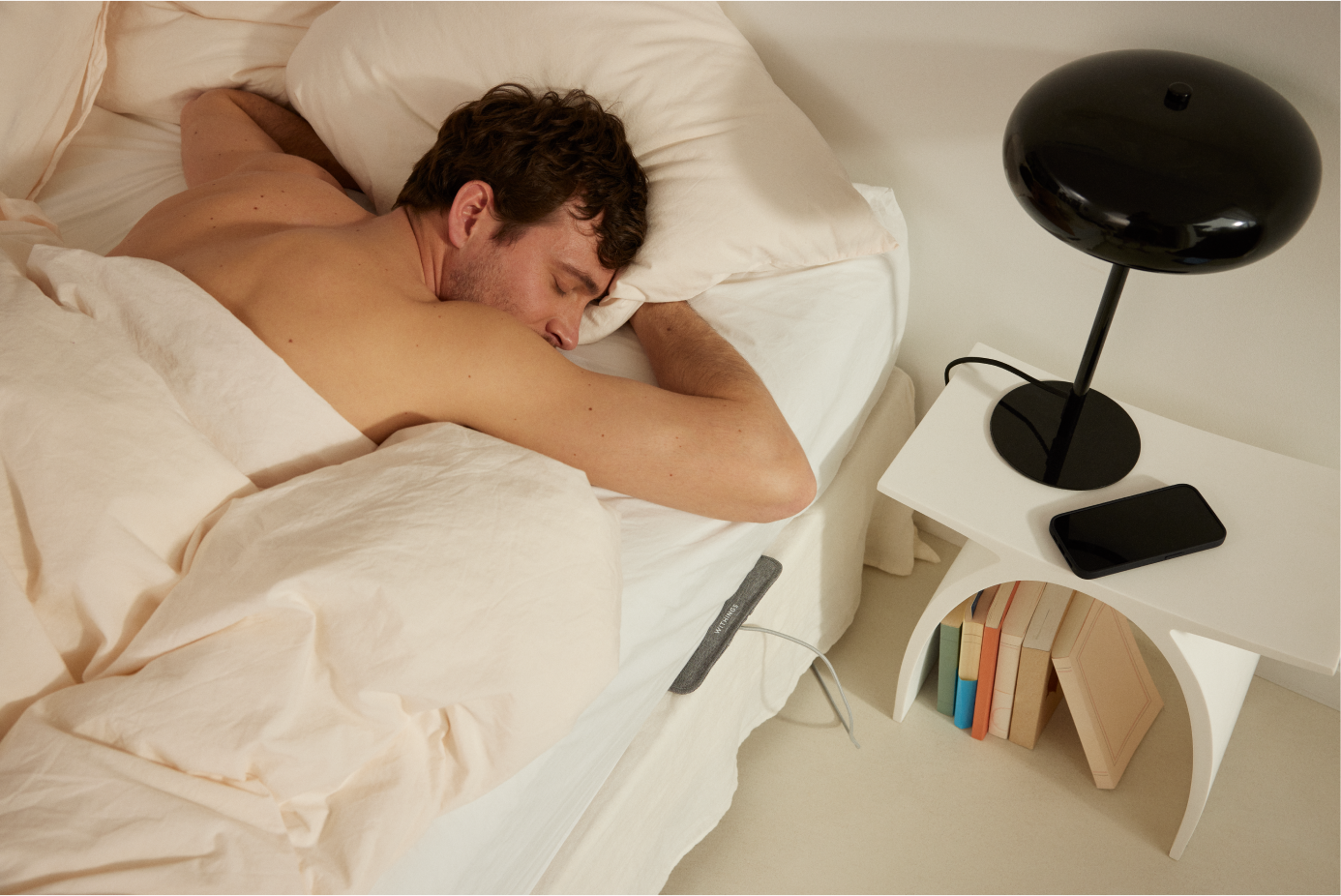
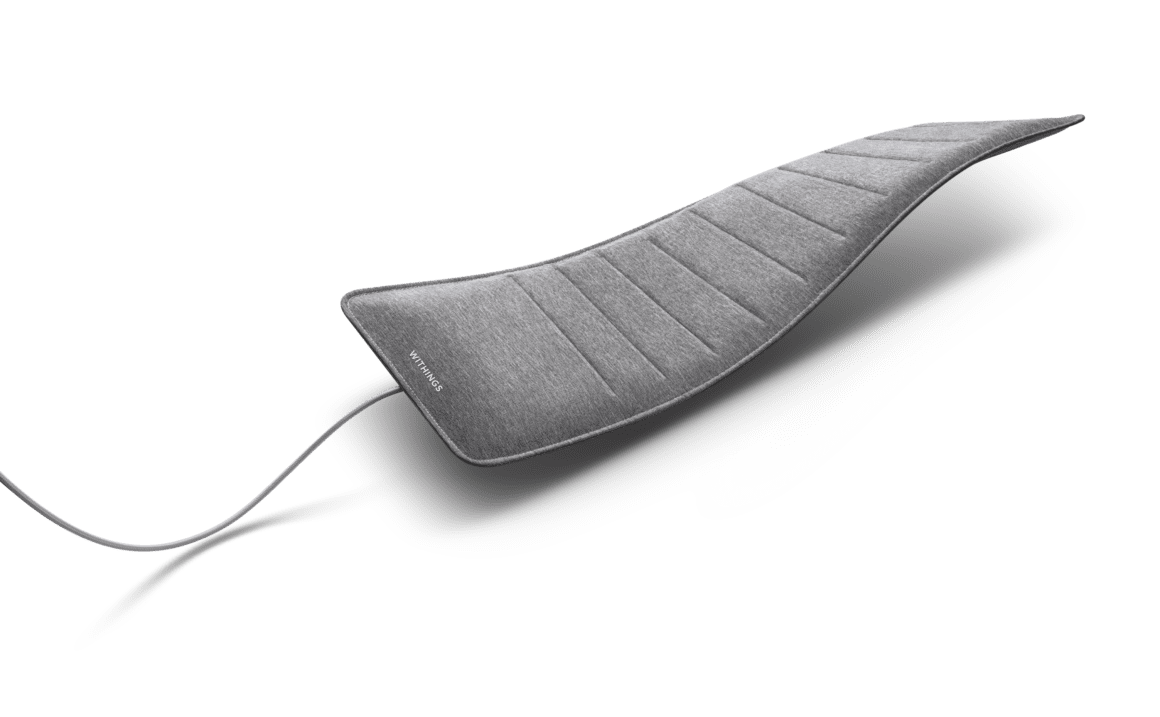
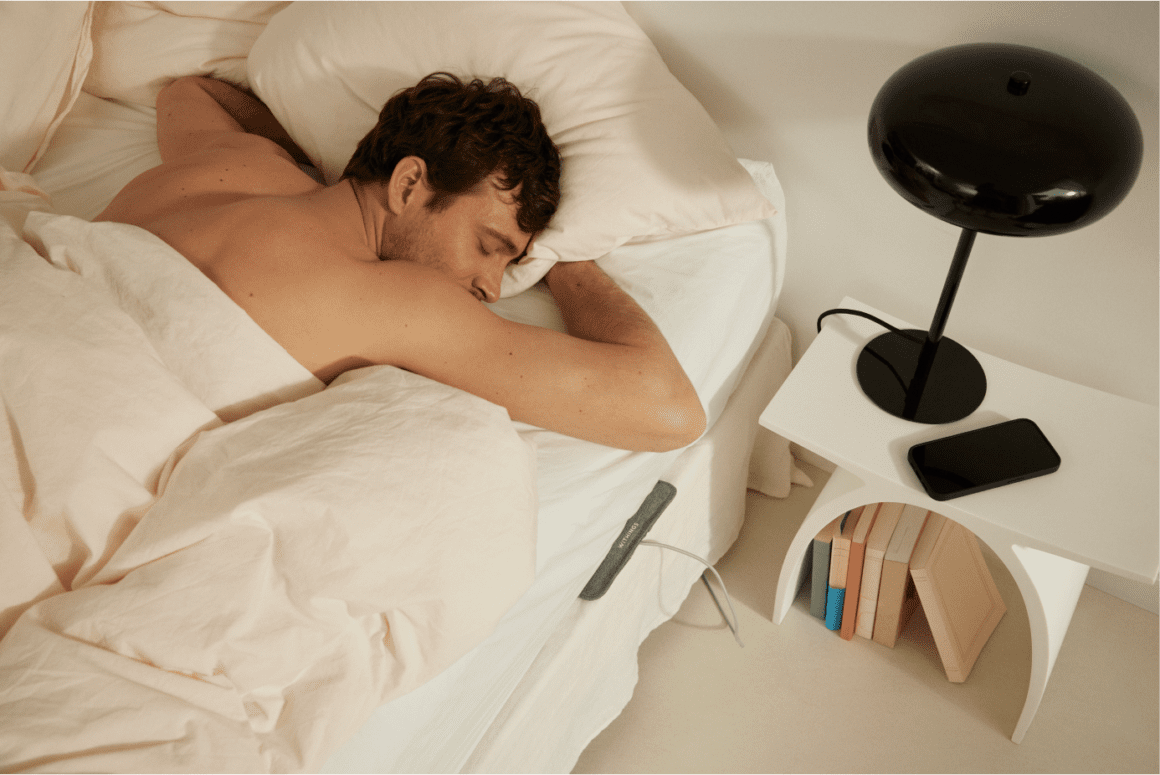
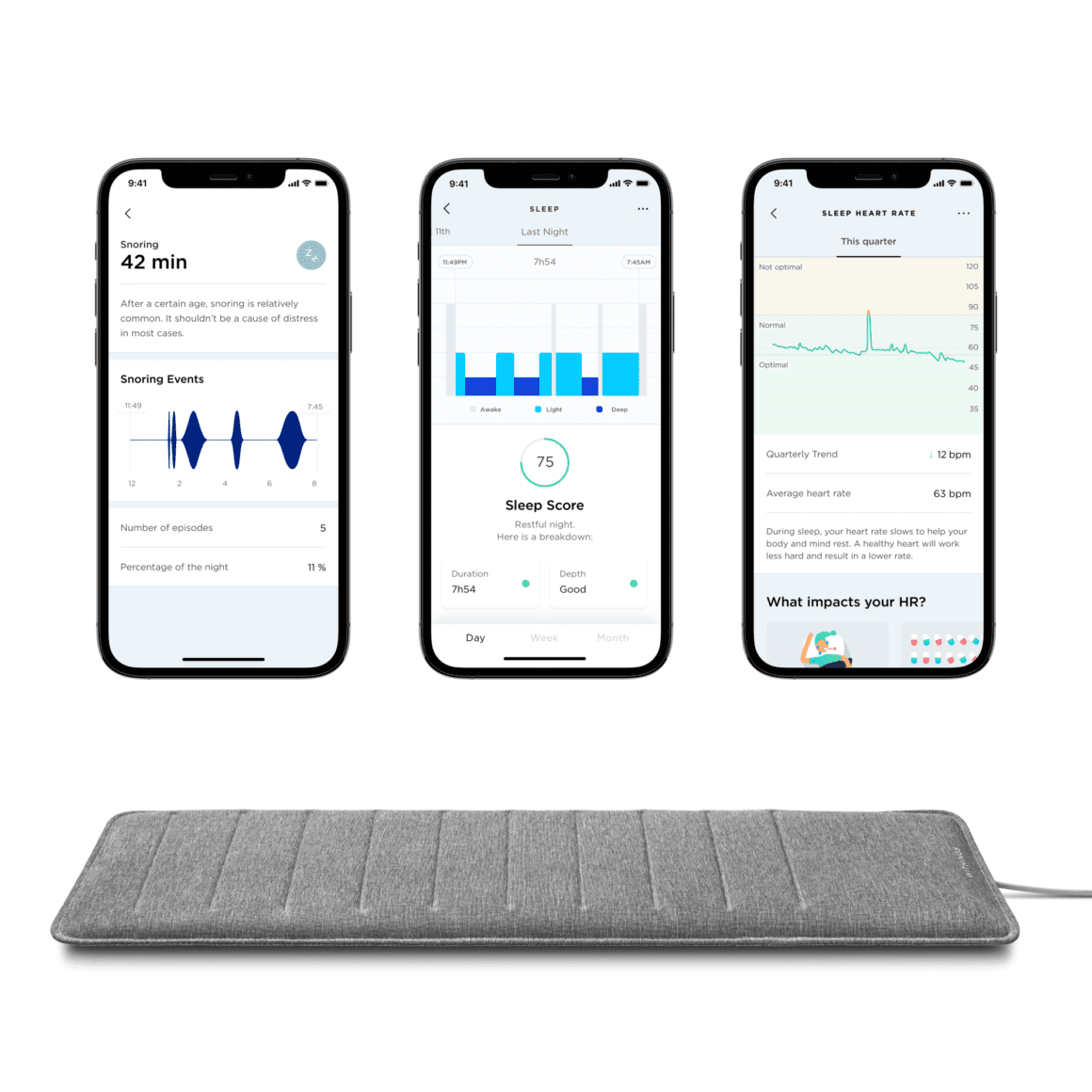
Devices like the Withings Sleep Analyzer offer contactless, under-mattress monitoring that tracks breathing disturbances, heart rate, snoring, and sleep cycles—providing a more complete overnight health profile.
Meanwhile, wearable devices such as the ScanWatch 2 extend this insight throughout the day, monitoring oxygen saturation, activity levels, and recovery trends.
What sets this new generation of health technology apart is its ability to track data over months—or even years—revealing patterns that would otherwise remain invisible.
The Future of Sleep Health
The key takeaway is simple but powerful: sleep quality is no longer just about how long you sleep—it’s about what happens while you sleep.
Australia’s strong sleep scores and active lifestyle remain impressive, but they tell only part of the story. As data becomes more sophisticated, so too must our understanding of health.
For many Australians, the biggest risk may not be poor sleep—it’s undetected sleep disruption.
And in a country that prides itself on wellness, that’s a wake-up call worth paying attention to.