Some materials whisper instead of shout, and that restraint is exactly the point behind LIND DNA‘s newest leather texture. Corduroy isn’t a loud reinvention — it’s a quiet study in touch, light and craft, landing on the brand’s most recognisable shape just in time to change how your table catches a Sunday morning glow.
What is LIND DNA?
LIND DNA is a family business in the truest sense. Founded in Aarhus, the Danish brand is still run day to day by Preben Lind and his daughter Mie Lind, both of whom stay genuinely hands-on in how the products are made rather than leaving manufacturing to someone else. In 2016 the company joined Design Mode International (DMI), but that shift in ownership hasn’t touched the way things are actually produced — design and craft still happen entirely in Denmark, drawing on decades of leatherworking experience rather than chasing seasonal trends. It’s a philosophy the brand sums up simply as “the quiet power of material, craft and everyday usefulness” — the belief that in a world of noise, something as ordinary as a table mat can become more than a surface. That focus on craft over scale is a big part of why LIND DNA has built a loyal following among people who care as much about how a table setting is made as how it looks laid out.
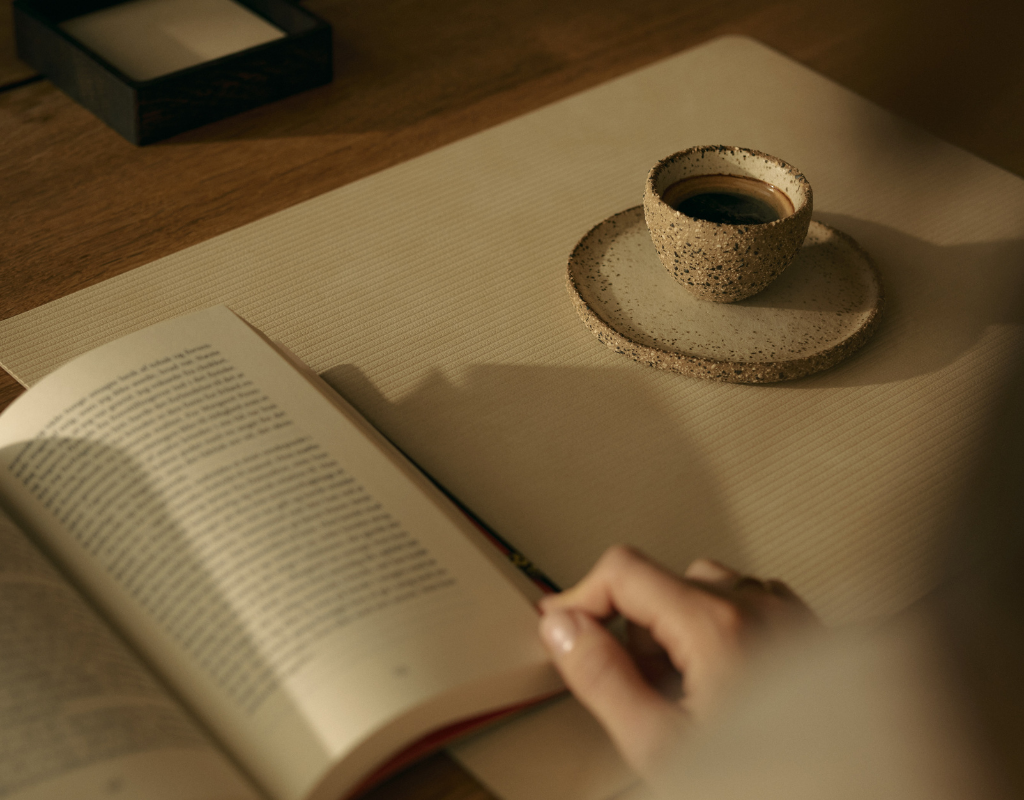
The Corduroy texture: elegant, tactile, quietly alive
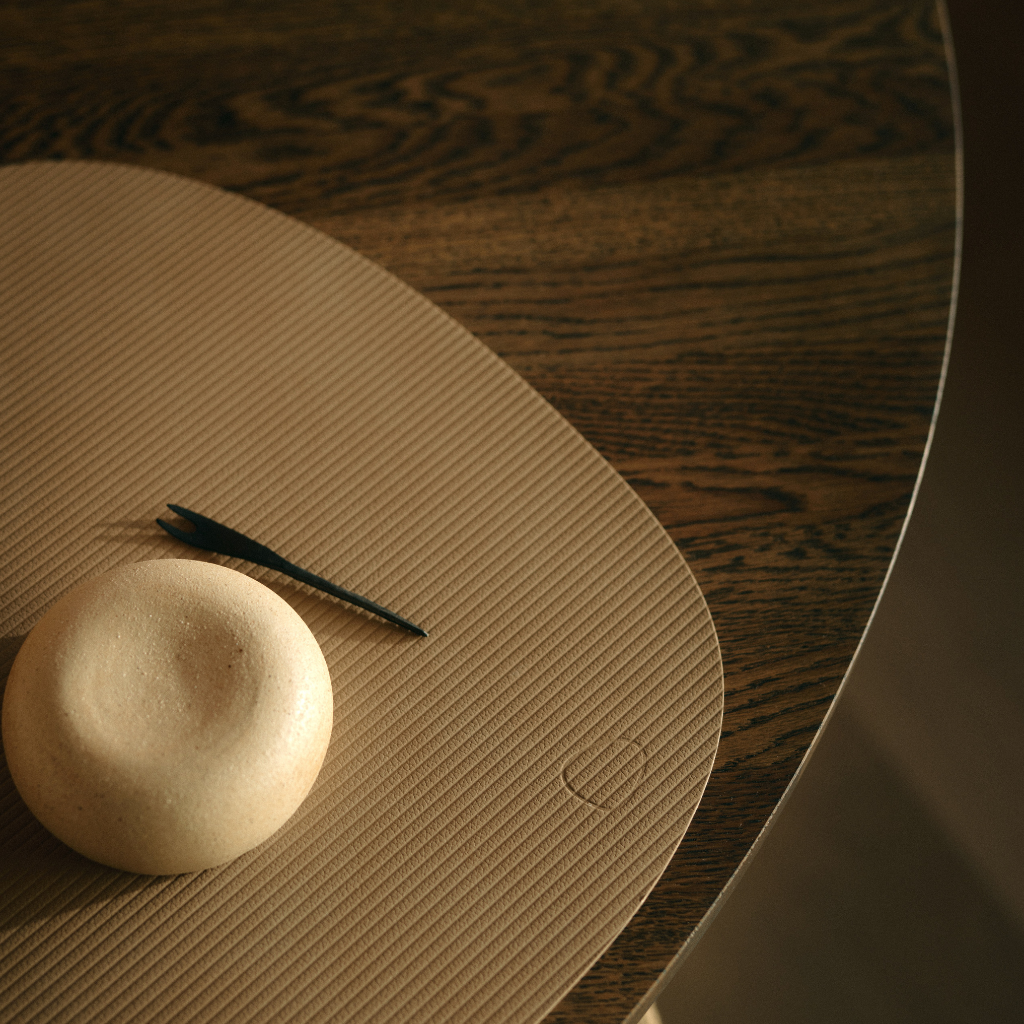
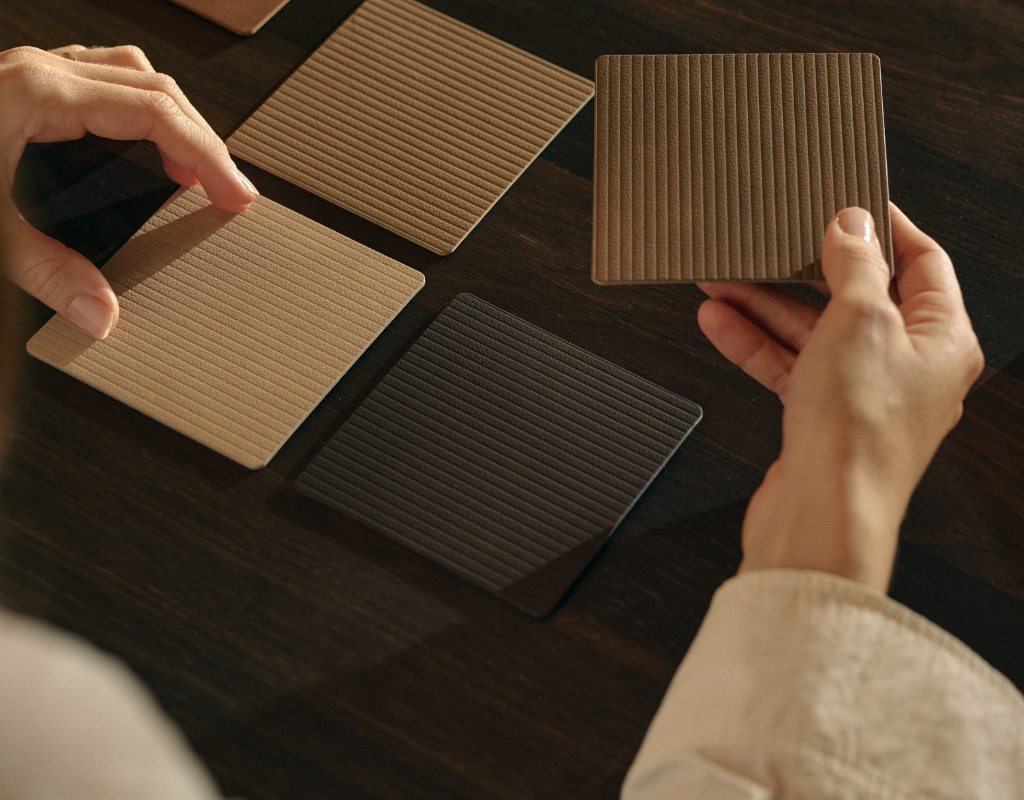
Corduroy is LIND DNA’s newest leather finish, and it’s built around movement rather than pattern. Fine parallel lines run across the surface, catching and releasing light as you shift around the table, so a stack of mats that would otherwise sit flat and static picks up a bit of visual depth without ever becoming busy. It rewards a closer look: elegant from across the room, genuinely tactile the moment a hand lands on it. Corduroy has launched first on Curve, LIND DNA’s most iconic silhouette, so the brand’s best-known shape now carries a texture that feels new, even though the form itself is instantly familiar to anyone who already owns a set. Placed next to a plain-finish mat, the difference is subtle rather than dramatic — which is exactly what makes it easy to introduce into a table setting that already works, without needing to redo anything else around it.
Recycled leather, made with care
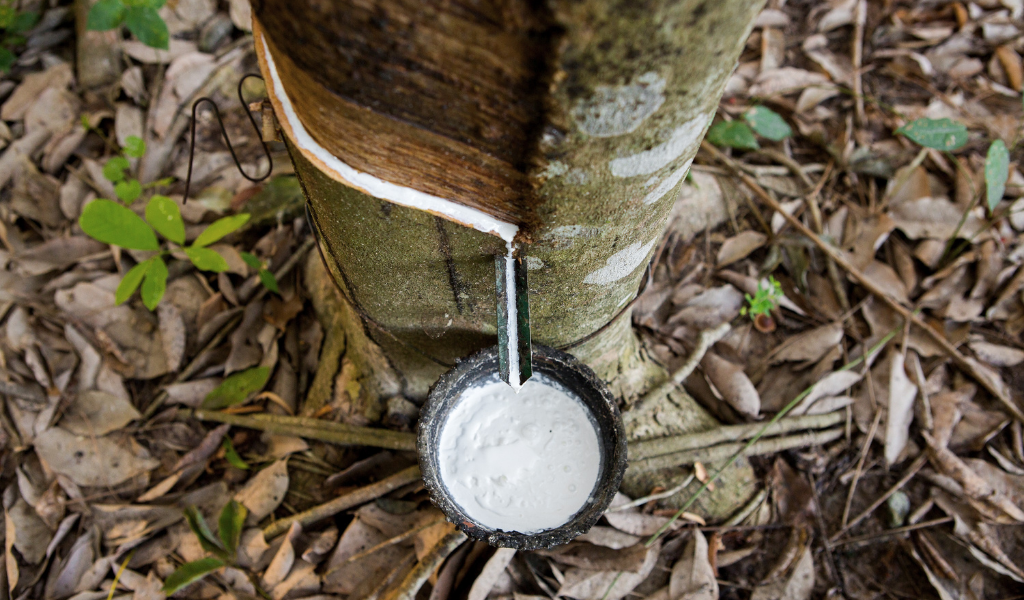
What sits underneath that texture matters just as much as how it looks. LIND DNA’s leather is OEKO-TEX certified and fully recycled, made from offcuts left over from furniture and fashion production rather than new hides. Those offcuts are granulated, bound together with natural rubber, and coloured using natural, water-based dyes — a process that keeps usable material out of landfill while still producing something durable enough for daily use at the table. Every stage, from sourcing the offcuts to finishing the mat, takes place in Denmark, which keeps the supply chain short and quality control tight, and keeps the brand’s design and manufacturing decisions in the same hands.
Why Corduroy works on the table
A few reasons the new texture is worth adding to a table setting that already has the basics covered:
- The fine ribbed texture catches light differently depending on the angle, giving an otherwise minimal setting a bit of quiet, shifting movement.
- Every mat starts life as recycled leather offcuts, so the sustainability story is built into the material itself rather than added on afterward.
- Corduroy comes in five earthy colourways — Rust, Sand, Black, Hazel and Khaki — that sit comfortably alongside timber, ceramics and linen.
- It’s available across the Curve shape, so table mats, glass mats and dinner mats can be mixed and matched within one cohesive collection.
Where to buy LIND DNA in Australia
LIND DNA’s Corduroy range is available locally through BEON. The Linddna Glass Mat Curve – Corduroy starts from $10 AUD and comes in Rust, Sand, Black, Hazel and Khaki, making it an easy, low-commitment way to bring the new texture — and the brand’s Danish, recycled-leather craft — onto an Australian table. It’s a fitting entry point too: a single glass mat is enough to see what Corduroy does under changing light, before deciding whether the rest of the table deserves the same treatment.