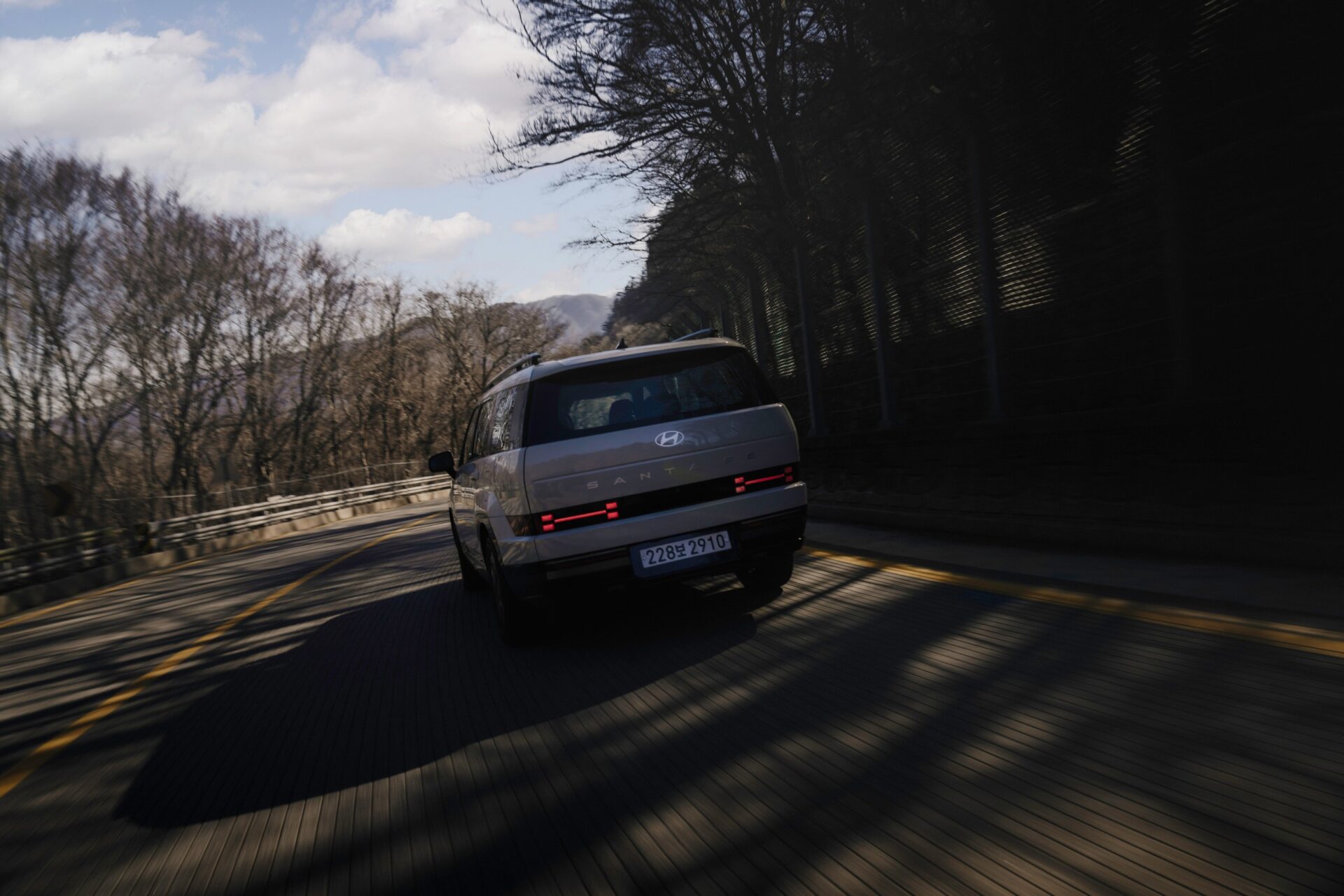
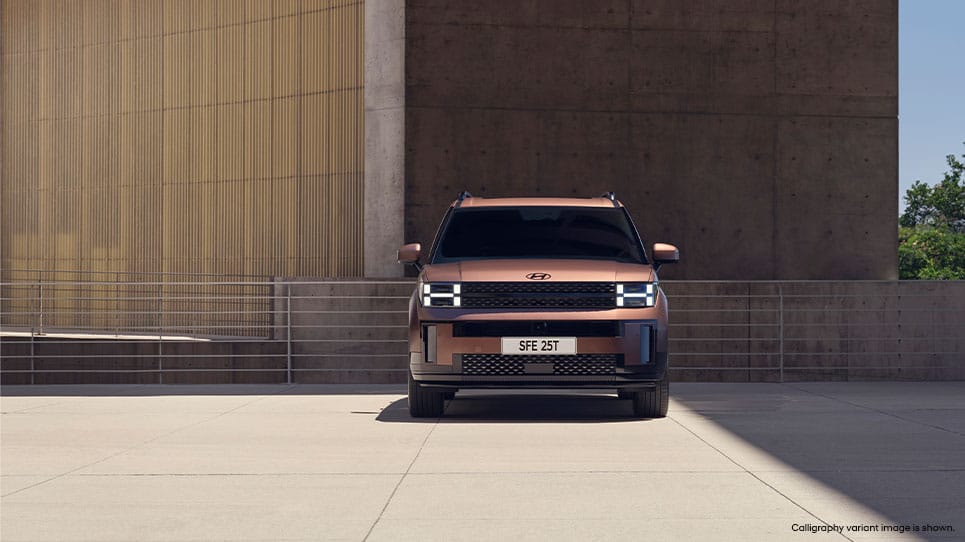
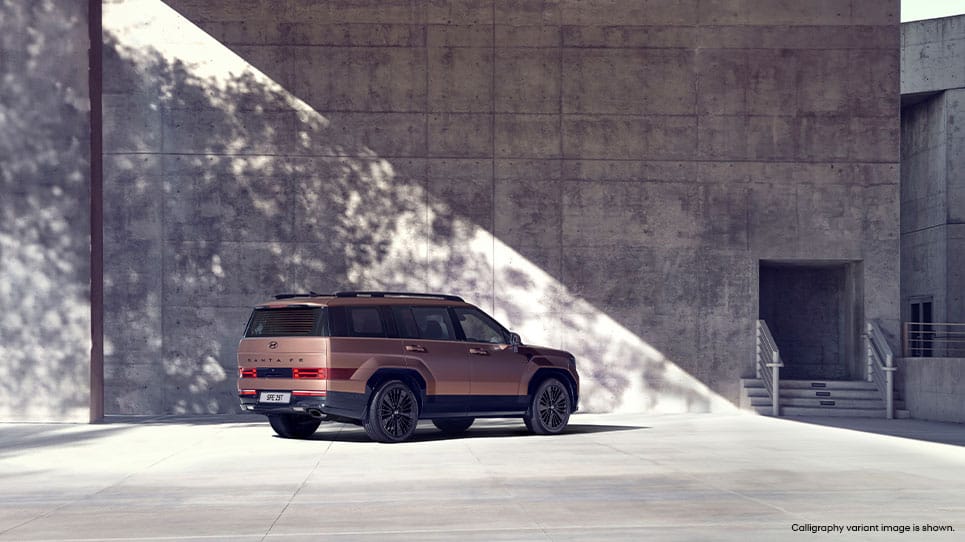
When Hyundai redesigned its large family SUV, it threw out the curves and started with the boot. The current Hyundai Santa Fe is upright, square and shaped around what a family actually carries, and it has become one of the most recognisable cars on Australian roads because of it.
A quick history of the Hyundai Santa Fe
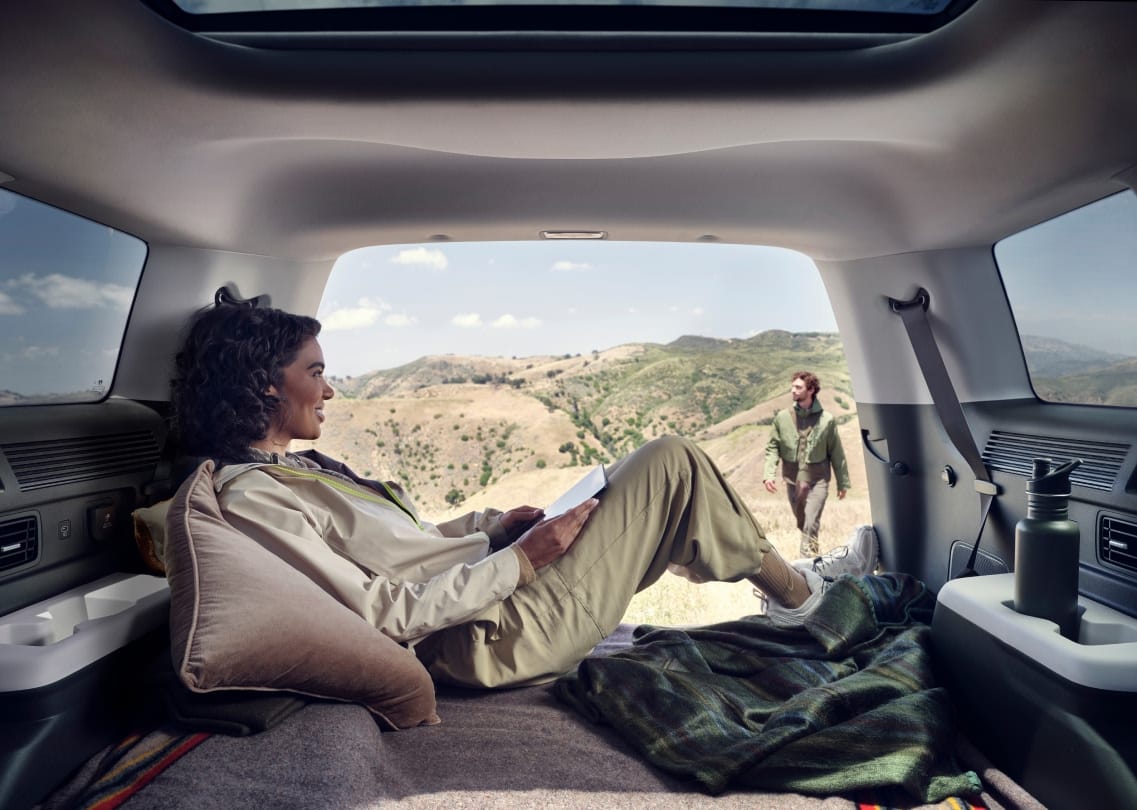
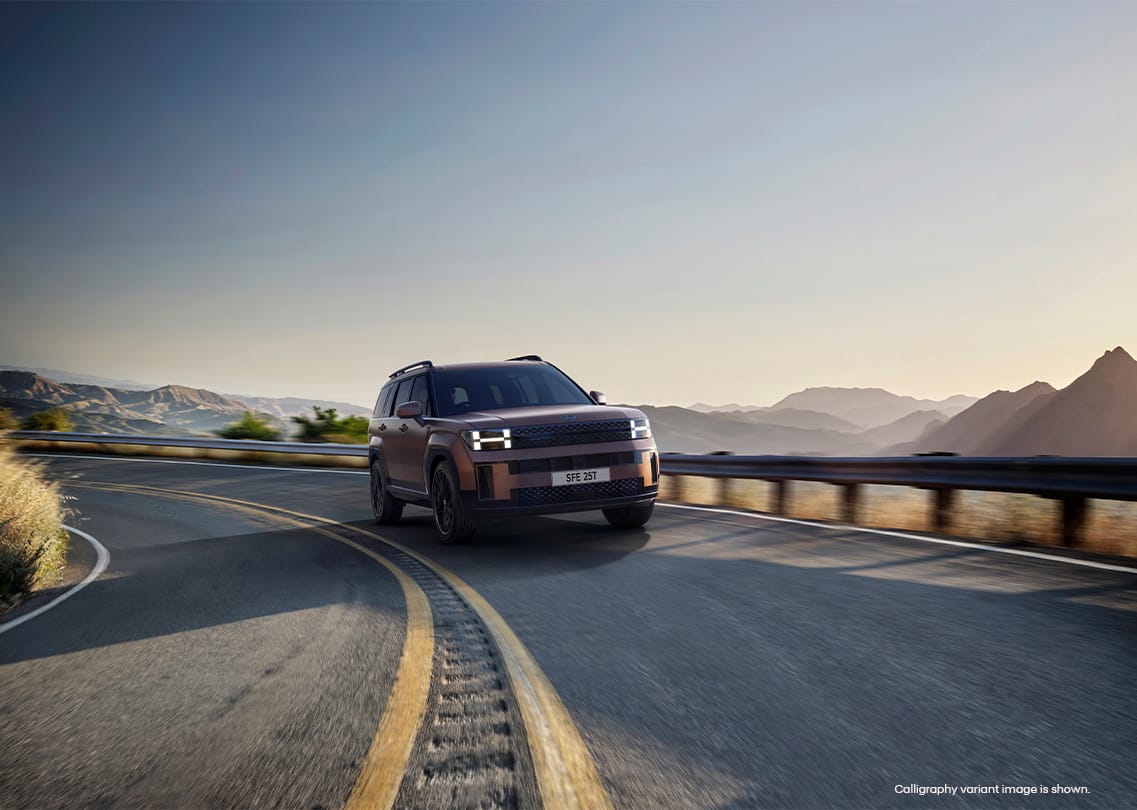
The Hyundai Santa Fe has been on sale in Australia since 2000 and is now in its fifth generation. Earlier versions were rounded, car-like wagons. This one is a clean break, with a long, flat roof, H-shaped lights front and rear, and a tailgate opening wide enough to sit in. It is a three-row SUV with seven seats as standard, positioned above the Tucson and below the larger Palisade, and it shares Hyundai showrooms with electric models such as the IONIQ 5 N.
Hybrid or turbo petrol
There are two drivetrains. The 1.6-litre turbo hybrid produces a combined 172kW and 367Nm through a six-speed automatic and uses a claimed 5.6 litres per 100km. In NRMA’s testing over long family trips it returned around 7 litres per 100km, and close to 1,000km from a 67-litre tank is possible in good conditions. The alternative is a 2.5-litre turbo petrol with 206kW and 422Nm and an eight-speed dual-clutch transmission. It is the stronger performer, but it uses 9.3 litres per 100km officially and more than 10 around town. The base grade can be had with front- or all-wheel drive. Elite and Calligraphy are all-wheel drive only.
An interior designed by people with kids
The cabin is where the Santa Fe wins people over. A curved panel houses the instruments and a 12.3-inch touchscreen, the centre console has two wireless phone chargers side by side on upper grades, and the second row tilts forward at the push of a button for third-row access. Boot space with the third row folded is 628 litres in the hybrid and 642 litres in the petrol. Calligraphy buyers can swap the middle bench for two captain’s chairs, making it a six-seater, and get twin sunroofs, Nappa leather and a UV-C sterilising tray for phones and dummies.
What changed for 2026
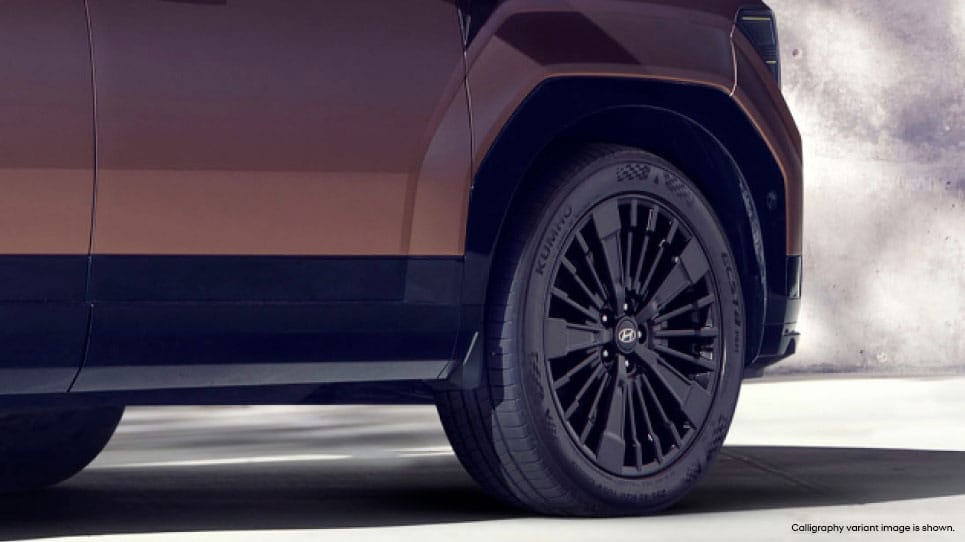
The 2026 update is light. Digital Key 2, which turns a smartphone into the car key and lets you share access with family, is now standard on every grade. The base model moves from 20-inch to 18-inch alloy wheels, which should improve ride comfort and cut tyre costs, and hybrid and petrol versions now wear different wheel designs. Each grade also gets its own grille and skid-plate finish. Prices rose by $400 across the range. The Santa Fe keeps its five-star ANCAP rating.
What owners and reviewers love
- Space and visibility: big windows, a high seating position and a third row that works for kids and shorter adults.
- The hybrid’s fuel economy, especially on long drives.
- Thoughtful storage, from the two-way opening console box to the wide, low boot floor.
- Styling that divides opinion, particularly the low-set tail-lights.
- Persistent speed-warning chimes and touch-panel climate controls, the most common complaints.
Price and availability
The 2026 Hyundai Santa Fe starts at about $53,400 before on-road costs for the front-drive 2.5T petrol. The hybrid adds $4,000 at every level. The Elite sits in the low-to-mid $60,000s, and the Calligraphy tops the range at about $72,900 for the petrol and $76,900 for the hybrid. Hybrid towing capacity is 1,650kg braked, so check the figures if you plan to pull a van. Full specifications and the build tool are on the Hyundai Australia website, and your dealer can confirm current drive-away pricing.